
Blackout, room-darkening, and thermal curtains are not the same thing. A 60-year workroom explains the real differences – and why the gaps around the curtain matter more than the fabric.
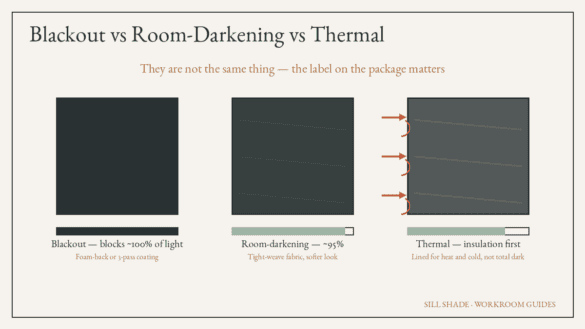
Blackout, room-darkening, and thermal curtains are not the same thing. A 60-year workroom explains the real differences – and why the gaps around the curtain matter more than the fabric.
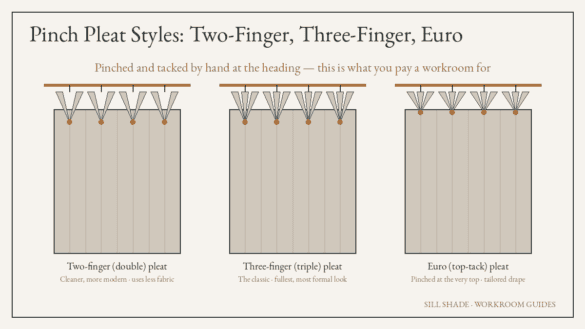
Two-finger, three-finger, Euro, and goblet pleats compared – plus fullness math, hook hardware, and the dressing trick that makes pleats fall in perfect columns.
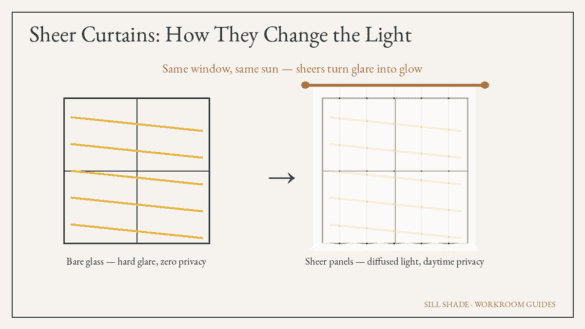
Which sheer fabrics look best in a living room, the 2.5-3x fullness rule most people miss, and how to layer sheers for day and night – from a 60-year workroom.
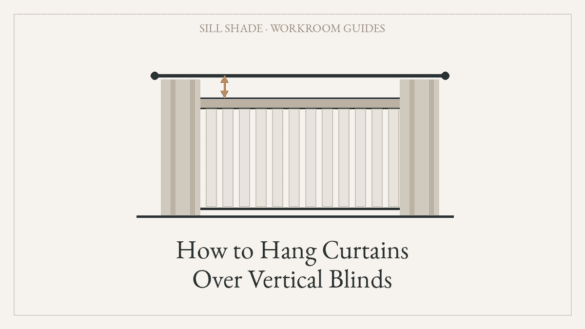
Mount the rod 3-4 inches above the headrail and 8-12 inches wider per side, with extension brackets so the vanes still rotate. No need to remove the landlord blinds.
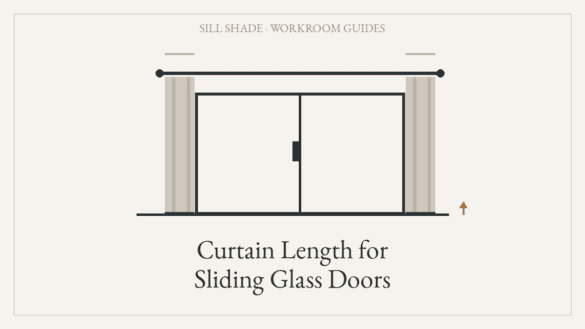
Slider curtains should float half an inch off the floor, not touch it. Panel lengths by door height, how far to extend the rod, one-way vs two-way draw, and the headers that actually glide.
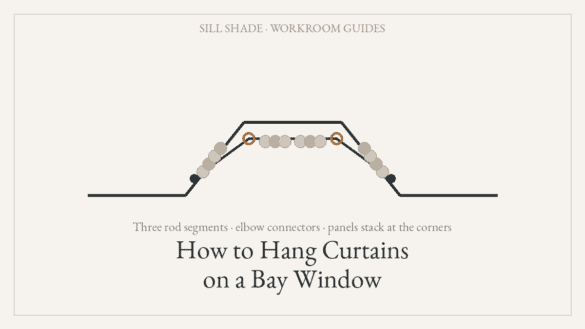
Jointed bay rod, three separate rods, or one straight rod — which to use, how many panels you need, where they stack, and the 4 mistakes we get called in to fix.
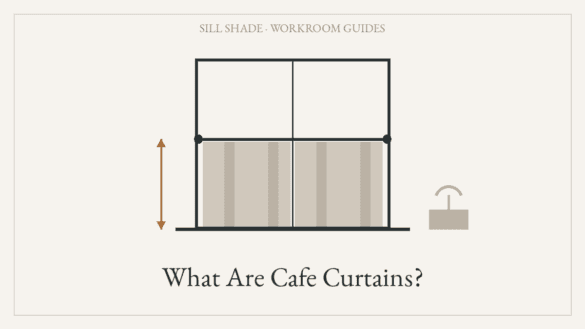
Cafe curtains are half-height panels that give privacy at eye level while keeping daylight above. Mounting height, measuring, best fabrics, and the 4 mistakes we fix most.
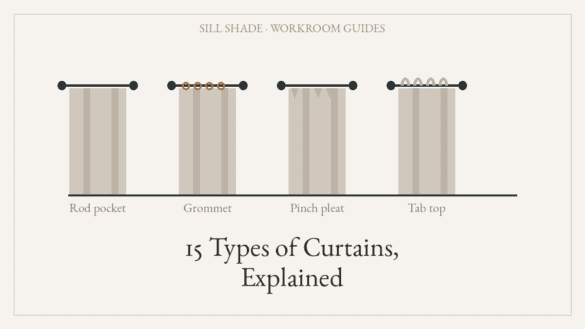
The 15 curtain types that matter — 7 header styles, 4 fabric and light-control options, 4 lengths — with workroom notes on which belongs on your window.
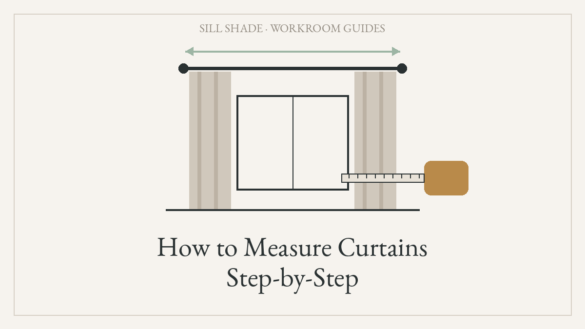
Measure for curtains in 4 steps: fix the rod position, measure rod width ×2–2.5 for fullness, adjust length for your header type, and check three spots. Workroom method from 60+ years of installs.
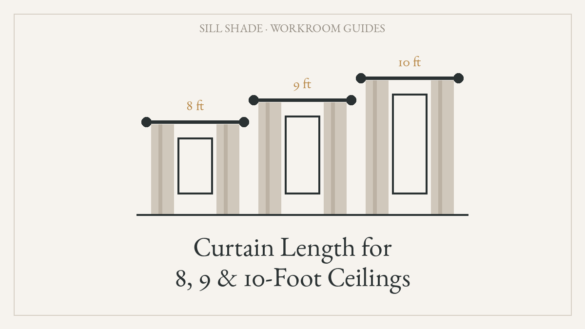
8-ft ceilings → 95-inch panels, 9-ft → 108, 10-ft → 120 — with exact rod heights for each, plus fixes for 8.5-ft, vaulted, and crown-molding rooms. Workroom numbers, not guesses.
Workroom guides to curtains and drapes – measuring, hanging, hardware, fabrics, and room-by-room advice from a team that has cut and installed window treatments for over 60 years.